
 800-522-3725
 info@standleys.com
 Support













What Standley’s Managed Cybersecurity Services Cover
Effective business cybersecurity uses several layers of protection. Each layer addresses a different source of risk and works together to make your environment harder to compromise.
-
Cybersecurity threats can develop outside business hours and move quickly once attackers gain access. Managed Detection and Response, or MDR, provides continuous monitoring for signs of suspicious activity.
Security specialists watch your environment, investigate potential threats, and respond when something requires action. The goal is to identify unusual activity early and contain threats before they cause widespread disruption.
For businesses without a dedicated security team, MDR provides ongoing oversight that would otherwise require significant internal staffing and expertise.
-
Attackers frequently take advantage of known vulnerabilities in operating systems, applications, and devices. A patch may already exist, but your business can remain exposed when updates are delayed or overlooked.
Vulnerability and patch management helps identify weaknesses and keep systems current. Regular patching closes known security openings while also supporting system stability and performance.
If you have a small internal team, keeping track of every device and update can consume significant time. A managed approach creates a more consistent process and reduces the likelihood that an aging application or forgotten endpoint becomes an easy entry point.
-
A stolen password can give an attacker a direct route into your most sensitive, critical systems.
Multi-factor authentication (MFA) requires users to provide an additional form of verification before gaining access. That extra step can prevent a compromised password from becoming a compromised account.
Strong identity management also helps ensure employees have appropriate access based on their roles. As employees join the company, move into new positions, or leave, maintaining accurate permissions reduces unnecessary exposure and protects sensitive information.
-
Your employees encounter potential threats every day through email, messages, login pages, and shared files. Cybercriminals know that convincing a person to click a link or provide credentials can be easier than attacking technology directly.
Security awareness training teaches employees how to recognize suspicious behavior and respond appropriately. Phishing simulations give teams an opportunity to practice those skills in realistic situations and reinforce good habits over time.
The goal is to build awareness and confidence throughout the organization. Employees who understand common attack methods are better prepared to recognize when something doesn’t look right.
-
Organizations in regulated industries have additional responsibilities for protecting information and controlling access. Healthcare organizations, financial businesses, and other regulated companies may need to demonstrate that appropriate safeguards and processes are in place.
Standley can help organizations align technology and security practices with applicable requirements, including guidance related to frameworks such as HIPAA and PCI. Compliance guidance should support your organization’s broader legal and regulatory efforts and help make security requirements easier to manage as part of everyday operations.
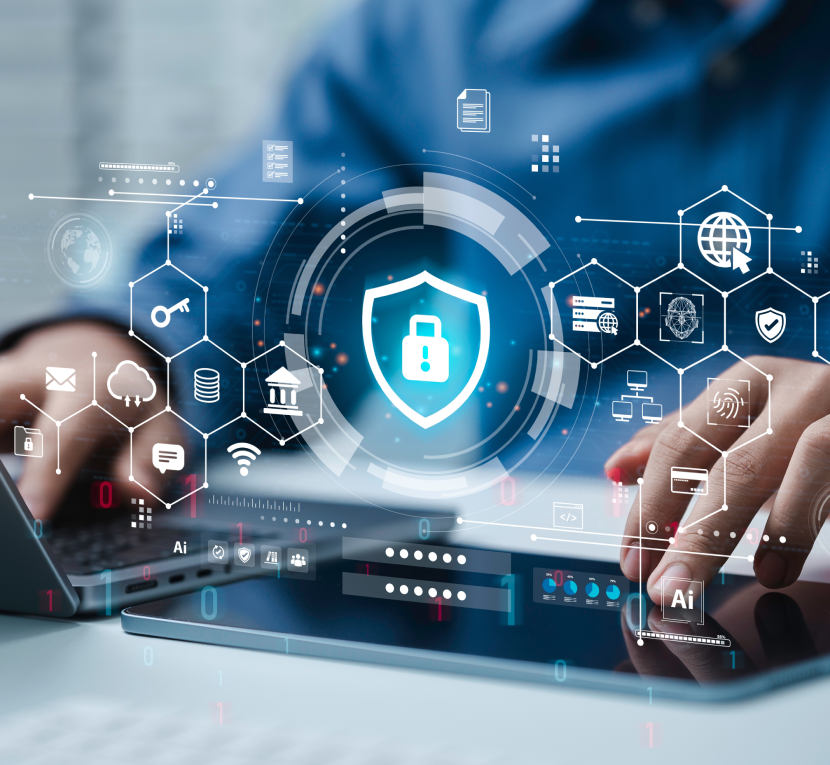
Cybersecurity Services for Small Businesses
Many growing businesses have someone responsible for technology without having a full internal cybersecurity department. An IT manager may oversee infrastructure, support users, manage vendors, plan technology upgrades, and handle security issues at the same time. That workload can make consistent security difficult.
Managed cybersecurity services give organizations access to specialized expertise and ongoing protection while allowing internal employees to concentrate on their primary responsibilities. It can be especially valuable for organizations managing sensitive information or facing regulatory requirements, including healthcare, education, legal, energy, tribal organizations, and financial services.
Security also evolves with you. As employees, devices, applications, and locations are added, your cybersecurity approach can grow alongside the business.
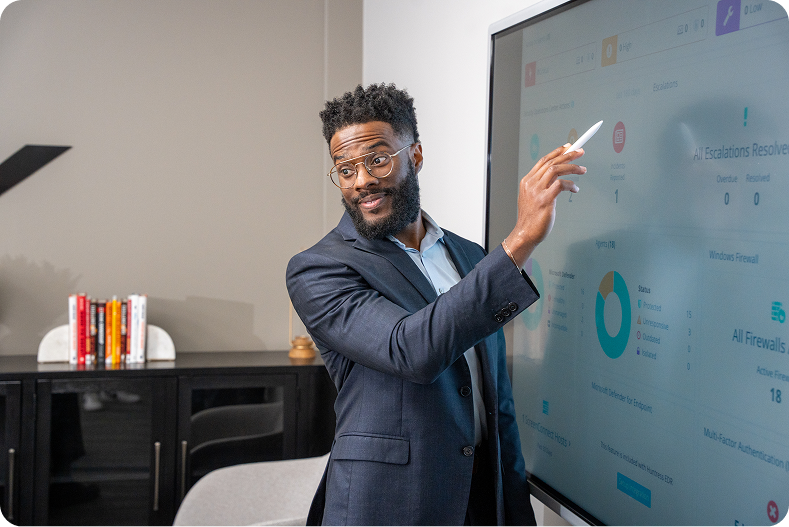
Take a Proactive Approach to Cybersecurity
Cybersecurity requires continuous attention as technology, employees, and threats change. Regular monitoring, timely patching, stronger identity controls, employee education, and informed planning can make your organization significantly more resilient.
Standley Systems brings these elements together as part of a managed IT relationship designed for businesses that need dependable technology and ongoing security expertise.
 800-522-3725
 info@standleys.com
Our Blog
Read our latest posts for insights into using smart office equipment effectively

 September 30, 2026
Many organizations invest in security awareness training to help employees recognize phishing attacks, social...
September 30, 2026
Healthcare organizations work with some of the most sensitive information in any industry. Patient records,...
 4 min read
March 2, 2026
What We’ve Learned Helping Businesses Move to the Cloud Without the Headaches
4 min read
June 22, 2026
Cyber threats aren’t just a big-business problem anymore. In fact, small and medium-sized...
4 min read
August 6, 2024
How to manage cloud storage effectively is a question on the minds of many individuals...
