800-522-3725
 info@standleys.com
 Support
5 min read
What is SIEM? How Centralized Security Monitoring Reduces Alert Fatigue
By:
Rachel Redemer
on
August 31, 2026
Updated: September 1, 2026
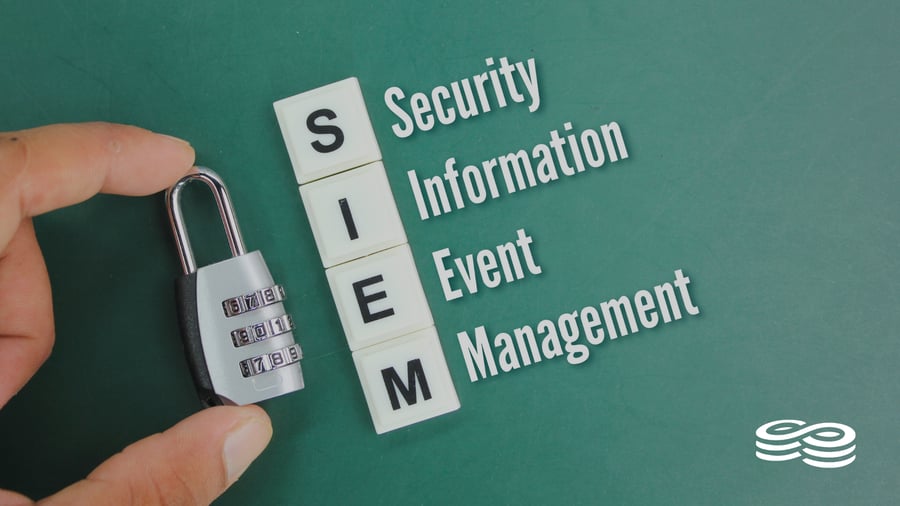
Modern IT environments generate enormous amounts of security data every day. From login attempts and firewall alerts to endpoint activity and network traffic, organizations are constantly receiving notifications about potential threats.
Without a way to organize and analyze these alerts, security teams can quickly become overwhelmed. This is where Security Information and Event Management (SIEM) platforms play a critical role.
If you’ve ever wondered “what is SIEM?” and how it helps businesses manage cybersecurity threats more effectively, this guide explains how centralized security monitoring works and why it’s essential for reducing alert fatigue.
What Is SIEM?
Security Information and Event Management (SIEM) is a cybersecurity solution that collects, analyzes, and correlates security data from across an organization’s IT environment in a centralized platform.
Instead of monitoring each system separately, SIEM brings together security logs and alerts from multiple sources, including:
- Firewalls
- Servers
- Endpoints and workstations
- Cloud services
- Identity and authentication systems
- Security tools such as EDR and ITDR
By analyzing these events together, SIEM platforms help organizations identify real threats faster and reduce the noise created by thousands of individual alerts.
The Problem: Too Many Security Alerts
One of the biggest challenges in cybersecurity today is alert overload.
Security tools generate large volumes of alerts, but many of them are low-priority or false positives. When security teams must manually review each notification, it can lead to alert fatigue.
Alert fatigue occurs when teams become overwhelmed by constant warnings, making it easier to miss the alerts that actually indicate a real attack.
For SMBs with small IT teams, this can be especially difficult to manage.
Without centralized monitoring, security alerts may be scattered across multiple systems, making it harder to connect the dots between suspicious activities.
How SIEM Reduces Alert Fatigue
SIEM platforms are designed to aggregate, analyze, and prioritize security alerts so teams can focus on the threats that matter most.
Here’s how SIEM helps reduce alert fatigue.
Centralized Log Collection
SIEM systems collect security logs and event data from across the entire IT environment.
Instead of reviewing alerts across multiple dashboards and platforms, IT teams can monitor activity from a single centralized console.
This visibility allows organizations to detect patterns that would otherwise go unnoticed.
Event Correlation
One of SIEM’s most powerful capabilities is event correlation.
Rather than evaluating alerts individually, SIEM platforms analyze how multiple events relate to each other.
For example:
- A failed login attempt alone might not be suspicious.
- Multiple failed logins followed by a successful login from a new location could indicate a credential attack.
By correlating events across systems, SIEM platforms help identify complex attack patterns that individual tools may miss.
Threat Prioritization
SIEM tools assign risk levels to security alerts, helping teams focus on the most critical threats first.
Instead of receiving thousands of alerts with equal priority, organizations can quickly identify:
- High-risk activity
- Suspicious authentication behavior
- Potential lateral movement within the network
This prioritization dramatically reduces the time spent reviewing low-risk notifications.
Faster Incident Response
When a potential threat is detected, SIEM systems provide detailed context that allows security teams to investigate incidents more efficiently.
Analysts can view:
- The timeline of events
- Systems involved in the activity
- User accounts associated with the alert
- Related alerts across the environment
This centralized information speeds up incident investigation and response.
How SIEM Works with Other Security Tools
SIEM platforms are most effective when integrated with other cybersecurity solutions.
For example, Endpoint Detection and Response (EDR) tools monitor endpoint devices for suspicious activity, while SIEM collects and analyzes that data alongside other system events.
You can learn more about endpoint protection in our EDR Blog.
Similarly, Identity Threat Detection and Response (ITDR) tools monitor login activity and identity systems. When integrated with SIEM, identity-related alerts can be correlated with other security events.
Learn more about identity protection in our ITDR Blog.
Together, these tools create a more complete picture of an organization’s security environment.
Why SIEM Matters for SMBs
While SIEM platforms were once used primarily by large enterprises, modern solutions are increasingly accessible for small and medium-sized businesses.
For SMBs with limited security staff, SIEM offers several advantages.
Improved Visibility
SIEM provides a comprehensive view of security activity across the entire environment.
This visibility makes it easier to identify unusual patterns or suspicious behavior.
Faster Threat Detection
By correlating events across systems, SIEM platforms help detect attacks earlier in their lifecycle.
This allows organizations to respond before significant damage occurs.
Reduced Security Noise
Perhaps the biggest benefit is the reduction of alert fatigue.
Instead of reviewing thousands of individual alerts, security teams can focus on high-priority incidents that require immediate attention.
Learning from Security Trends
Cybersecurity threats are constantly evolving, and organizations benefit from reviewing trends and lessons learned from previous incidents.
Understanding how attacks develop over time can help businesses strengthen their defenses and improve threat detection strategies.
You can explore major cybersecurity trends in our Security Awareness Training Blog.
SIEM Is a Critical Part of Modern Security Monitoring
As IT environments become more complex, the number of security alerts continues to grow.
Without centralized monitoring, organizations risk missing the signals that indicate real threats.
By implementing Security Information and Event Management (SIEM), businesses gain the ability to collect security data, correlate events, and prioritize alerts from across their entire infrastructure.
For organizations looking to strengthen their security operations, understanding what SIEM is and how centralized monitoring works is a key step toward reducing alert fatigue and improving cybersecurity visibility.