800-522-3725
 info@standleys.com
 Support
3 min read
Building a Sustainable IT Strategy: Energy Efficiency Through Managed Services
By:
Rachel Redemer
on
April 1, 2026
Updated: April 1, 2026
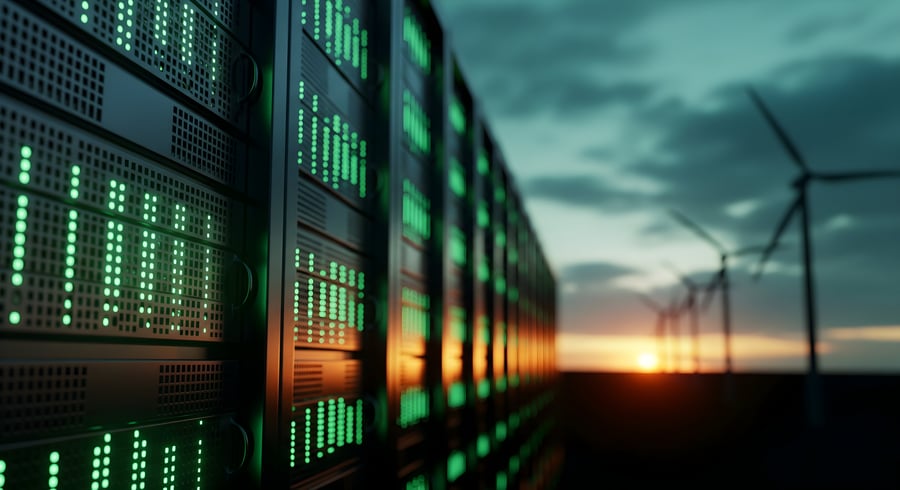
As we celebrate Earth Month, it’s the perfect time to pause and look at how technology can support a cleaner, greener future. From energy-efficient systems to smarter resource management, aligning IT strategies with green goals can shrink your carbon footprint, cut energy use, and even help the planet breathe a little easier.
This month, we’re diving into practical ways to make your digital operations smarter, cleaner, and greener-without sacrificing performance.
The Energy-Hungry Side of IT
Not all tech is created equal when it comes to energy consumption. Data centers for example, are the heavyweights. Those racks of servers storing and processing mountains of data require a ton of power, and keeping them cool isn’t cheap either- HVAC systems and liquid cooling often sip just as much energy as the servers themselves. Even backup power systems, like uninterruptible power supplies, add to the overall cost.
Networking infrastructure is another energy hotspot. Routers, switches, firewalls, and telecom equipment run 24/7, quietly consuming more electricity than most people realize. And don’t forget about the devices we use every day- desktops, monitors, printers, scanners, and external drives. Older or high-performance devices can be surprisingly power-hungry, and all those small energy sips add up fast!
Even the cloud, often thought of as a greener alternative, isn’t completely guilt-free. Cloud servers and virtual machines can be more efficient than on-premises setups, but over-provisioning or leaving idle resources running wastes energy unnecessarily. High-performance computing workloads, like training AI models or running scientific simulations, can consume staggering amounts of power. And then there’s legacy technology- old hardware and outdated software often run inefficiently quietly driving up energy use while slowing performance.
How Managed Services Make IT Greener
Here’s where Managed Services really shine. By proactively managing systems and optimizing performance, they help organizations reduce energy use across the board. Virtualization, workload monitoring, and automated scaling mean servers aren’t drawing more power than they need. Moving workloads to cloud providers that use renewable energy and retiring outdated devices ensures energy isn’t wasted, and optimized network configurations keep everything running efficiently.
Even legacy systems benefit from this approach. Retiring outdated applications, refreshing hardware, and rationalizing software not only lowers energy consumption but also improves overall performance. The end result?
Lower operational costs, a smaller carbon footprint, and a more sustainable IT environment – without sacrificing functionality or speed.
Using Data to Drive Smarter Decisions
Of course, you can’t fix what you don’t measure. That’s where Standley Systems’ Business Technology Review (BTR) comes in. A BTR provides a comprehensive snapshot of your IT environment, uncovering inefficiencies that often go unnoticed – many of which are quietly guzzling energy. By assessing hardware, software, workflow, and resource utilization, BTR highlights opportunities to reduce unnecessary costs, streamline operations, modernize systems, and optimize energy usage.
With BTR insights, organizations can make informed, actionable decisions that align technology with long-term sustainability and goals. It’s not just about being eco-friendly – it’s about building a smarter, more efficient IT environment that boosts productivity while reducing environmental impact.
Taking the First Step
Earth Month is the perfect time to start rethinking your IT strategy. With a BTR assessment, you’ll get a clear picture of where energy is being wasted and how to fix it. The result is a cleaner, greener, IT ecosystem that benefits your business and the planer. So why wait? Start building a smarter, more sustainable IT strategy today – your energy bills (and Mother Earth) will thank you.